itsgc
New Member
- My Satellite Setup
- 1.1m Multi LNB setup
- My Location
- UK
Hello Folks,
First time poster and definitely a newbie when it comes to troubleshooting tv reception etc.
I have a Dr. HD 1000 Combo signal meter (Dr.HD 1000 Combo).
It is supposed to be able to pick up DVB-T signals and can show a lot of data for each mux / channel.
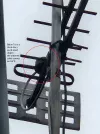
I have moved into a new home relatively recently and i am trying to understand the current antenna install. I have not gone on the roof yet as it's not incredibly accessible.
Here is the problem:
- Sony Bravia TV receives several channels ok so i am inclined to think the antenna is installed and aimed at least partially correctly
- The signal meter errors out with an "Antenna Overload" error as soon as i connect the antenna feed.
- There seems to be no DC across the cable ( i figured there might be some phantom feed for an amplified somewhere that was upsetting the meter)
- Checking resistance on the coax cable coming from the antenna with a multimeter shows almost a short, ~1.x ohms. Is this expected for a working DVB-T antenna over a regular coax cable?!
- Figuring the signal could be too strong, i bought some cheap attenuators but even with 3 + 6 + 10 (19!) dBs of attenuation the meter still says "Antenna Overload"
- I have another antenna feed on the upper floor, fed by a separate antenna which does not yield the same error but also doesn't seem to pick up any channel either (i am unsure if this latter cable is correctly wired into the second antenna but the cable sleeve colors and the entrypoints into the building match for both). I have not tested this second feed with a TV yet.
- My main questions are:
- has anybody worked with this signal meter before and/or ran into this "antenna overload" message and successfully got the meter to work?
- What should i expect on a multimeter / oscilloscope out of a TV antenna working correctly in terms of inbound DC / resistance etc?
I realize i may have not provided the correct information and apologies if this is a complete beginner request and possibly poorly asked.
Thank you in advance for any help you might be able to provide!
First time poster and definitely a newbie when it comes to troubleshooting tv reception etc.
I have a Dr. HD 1000 Combo signal meter (Dr.HD 1000 Combo).
It is supposed to be able to pick up DVB-T signals and can show a lot of data for each mux / channel.
I have moved into a new home relatively recently and i am trying to understand the current antenna install. I have not gone on the roof yet as it's not incredibly accessible.
Here is the problem:
- Sony Bravia TV receives several channels ok so i am inclined to think the antenna is installed and aimed at least partially correctly
- The signal meter errors out with an "Antenna Overload" error as soon as i connect the antenna feed.
- There seems to be no DC across the cable ( i figured there might be some phantom feed for an amplified somewhere that was upsetting the meter)
- Checking resistance on the coax cable coming from the antenna with a multimeter shows almost a short, ~1.x ohms. Is this expected for a working DVB-T antenna over a regular coax cable?!
- Figuring the signal could be too strong, i bought some cheap attenuators but even with 3 + 6 + 10 (19!) dBs of attenuation the meter still says "Antenna Overload"
- I have another antenna feed on the upper floor, fed by a separate antenna which does not yield the same error but also doesn't seem to pick up any channel either (i am unsure if this latter cable is correctly wired into the second antenna but the cable sleeve colors and the entrypoints into the building match for both). I have not tested this second feed with a TV yet.
- My main questions are:
- has anybody worked with this signal meter before and/or ran into this "antenna overload" message and successfully got the meter to work?
- What should i expect on a multimeter / oscilloscope out of a TV antenna working correctly in terms of inbound DC / resistance etc?
I realize i may have not provided the correct information and apologies if this is a complete beginner request and possibly poorly asked.
Thank you in advance for any help you might be able to provide!